Snap Dream
TYPE
PC Game
TIMELINE
Apr 2020
TEAM
Seeun (Game/Visual Design)
Moon (Development)
TOOLS
Adobe CS (Visual Design)
Procreate (Art)
Overview
Snap Dream is a puzzle game built around dream logic, where players move between independent dream scenes and carry imagined objects across them. By asking, “What if this object existed in that scene?”, the game creates unexpected interactions that connect past and future dreams.
Originally developed during a game jam, the project evolved into a polished experience through rapid iteration and close collaboration with a programmer.
INTRODUCTION
Concept
Since this was a game jam, my goal was to create a game that embraced challenge. Game jams allow for quick experimentation, immediate feedback, and rapid progress. I saw it as an opportunity to push myself and create something new. So, I decided to make a puzzle platformer with a fresh mechanic. The key to a good puzzle platformer is not just having a unique mechanic but making it intuitive for players. The challenge should be difficult, but the concept should be easy to understand.
“Easy to learn, hard to master.”
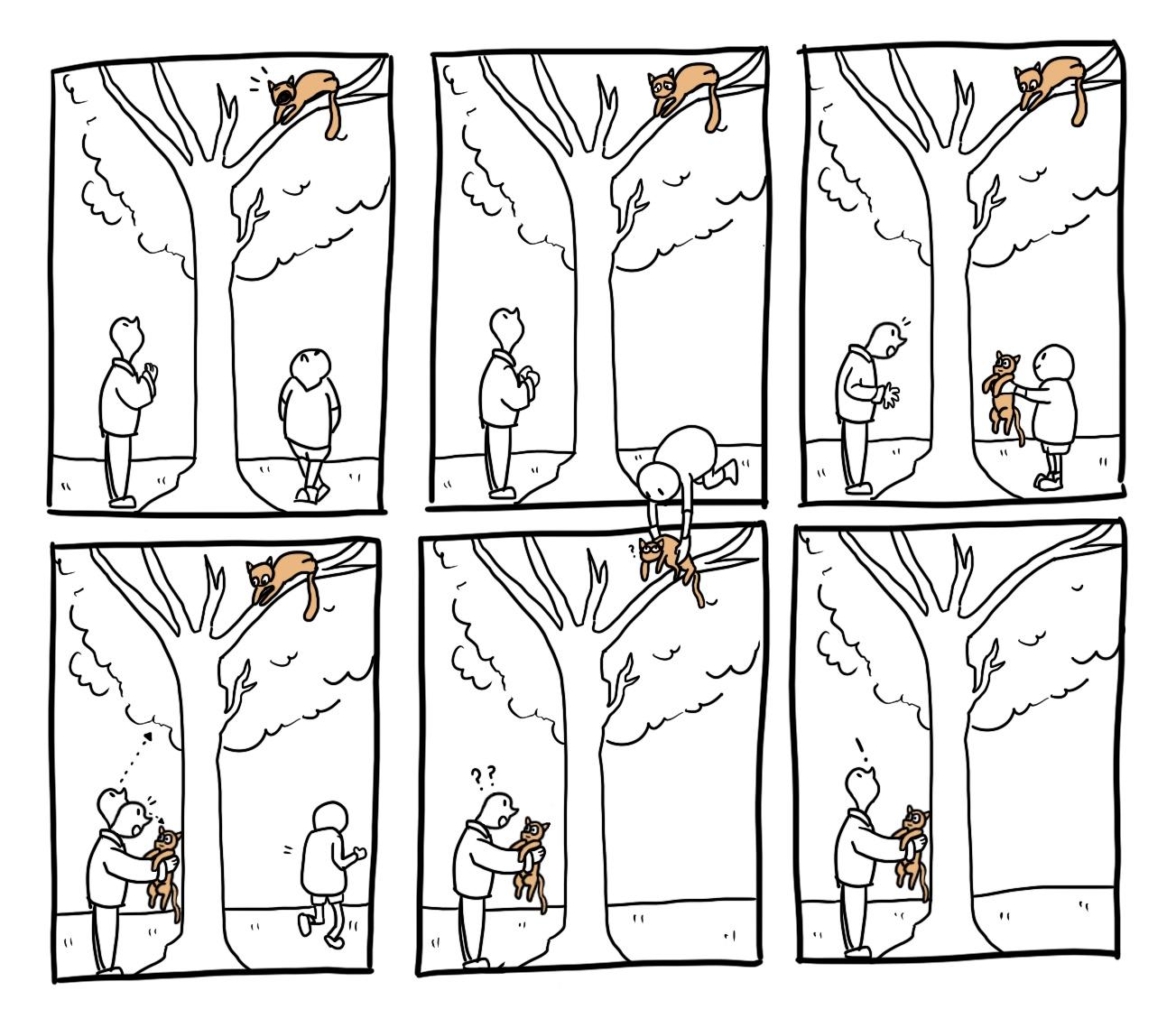
The comic above breaks the convention of independent panels. In one scene, a character rescues a cat from a lower panel and hands it to someone above, creating a paradox where two identical cats exist in the final panel. I saw this as a strong puzzle mechanic that could intuitively challenge fixed thinking.
CHARACTERISTIC
Mechanism
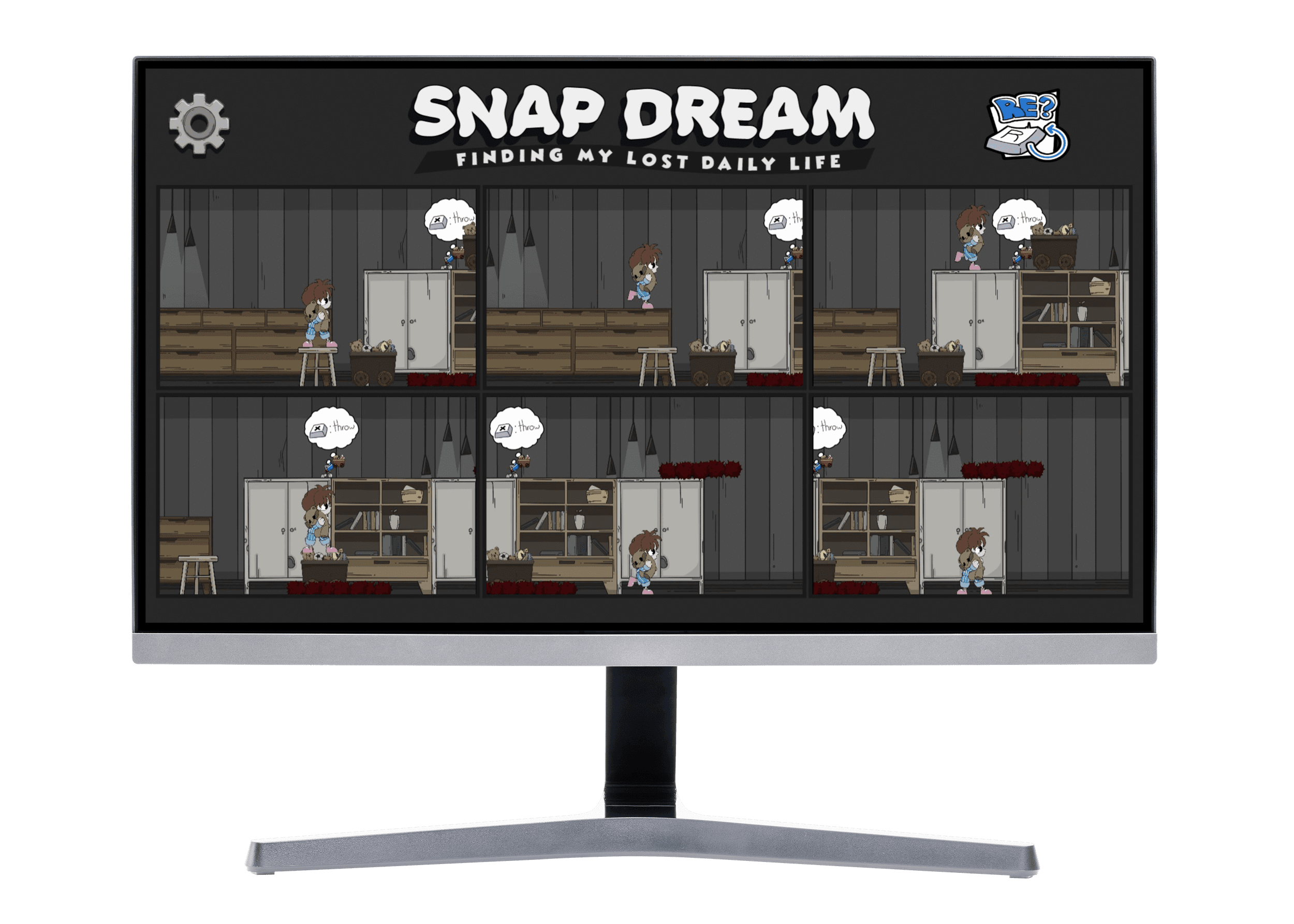
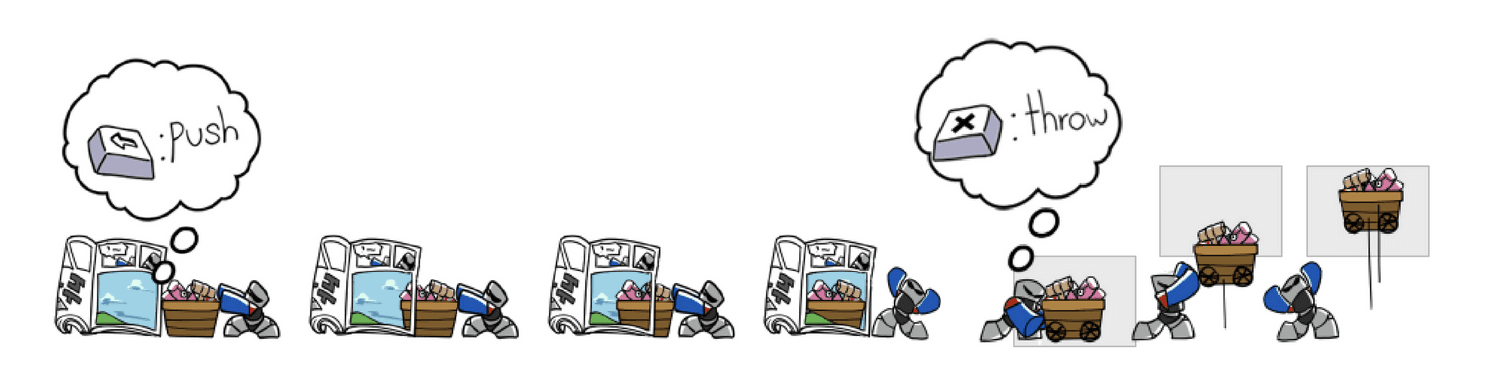
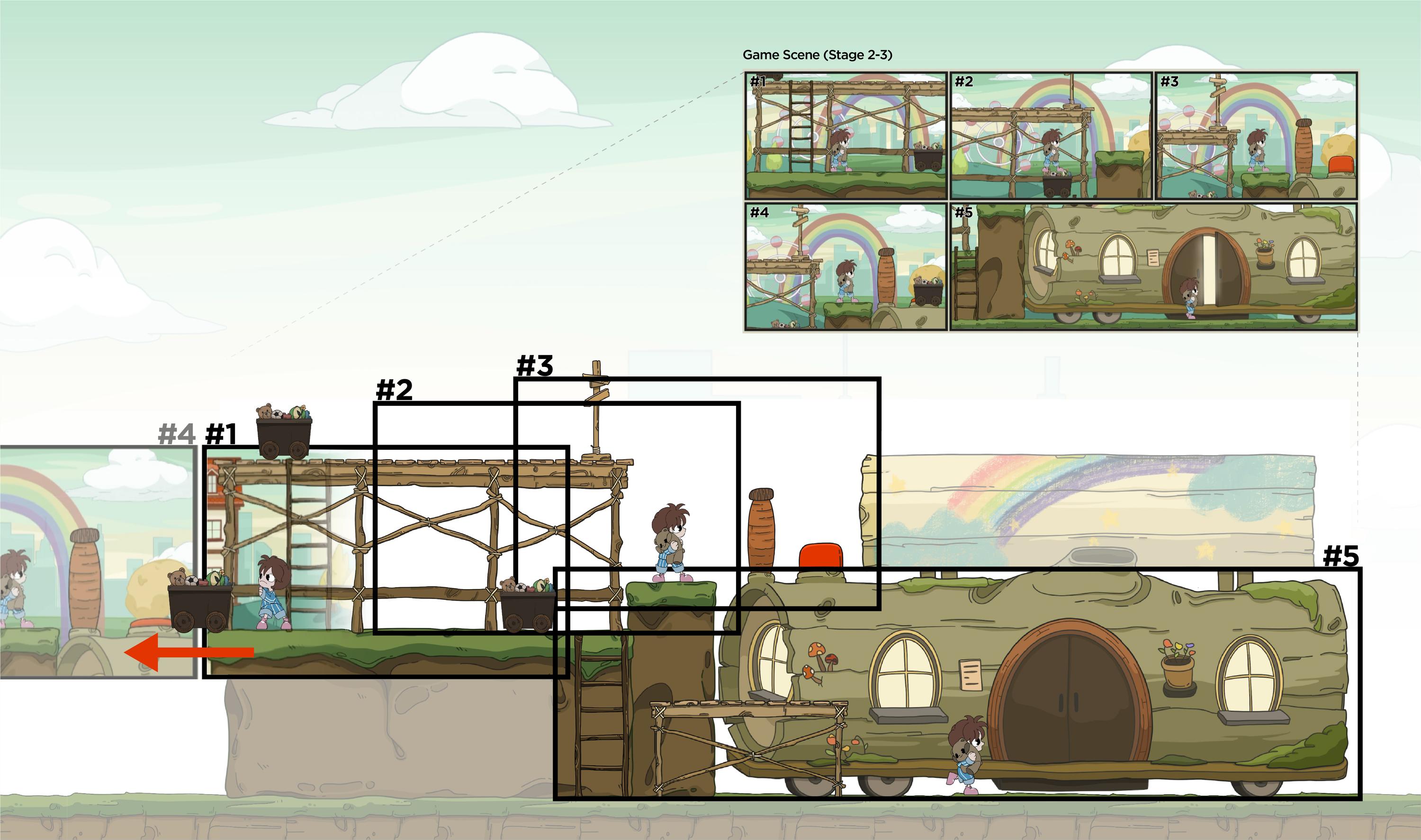
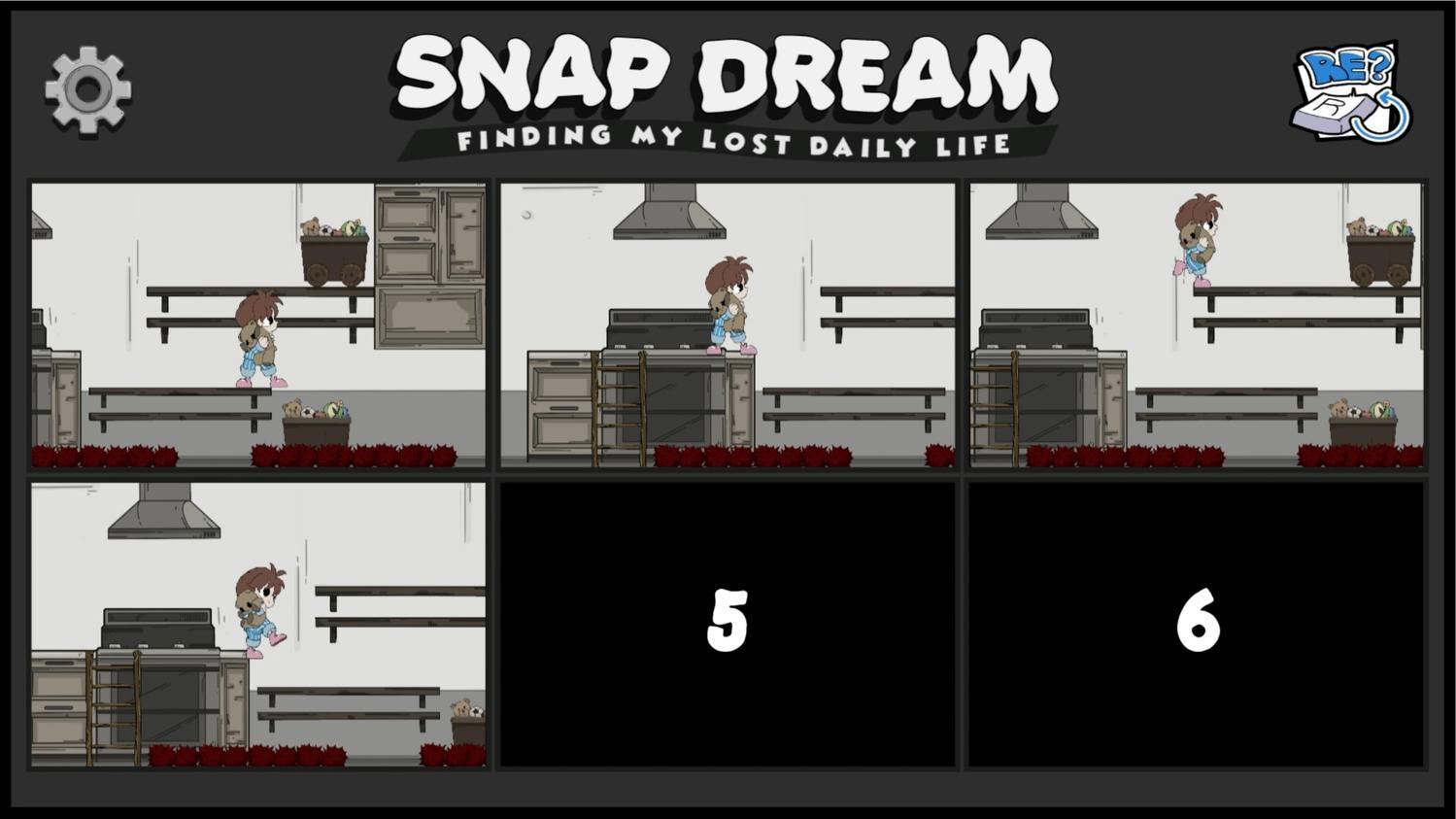
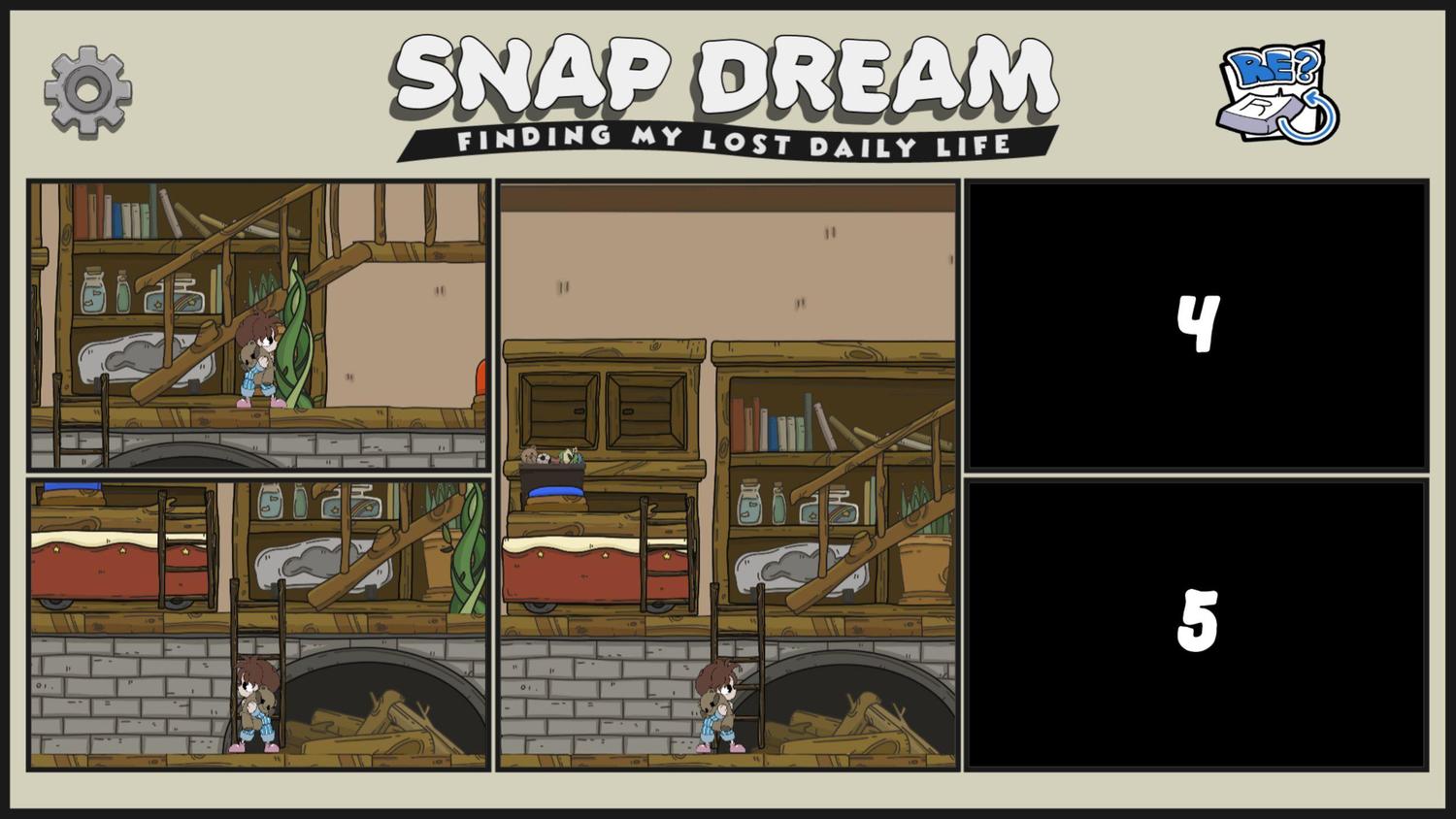
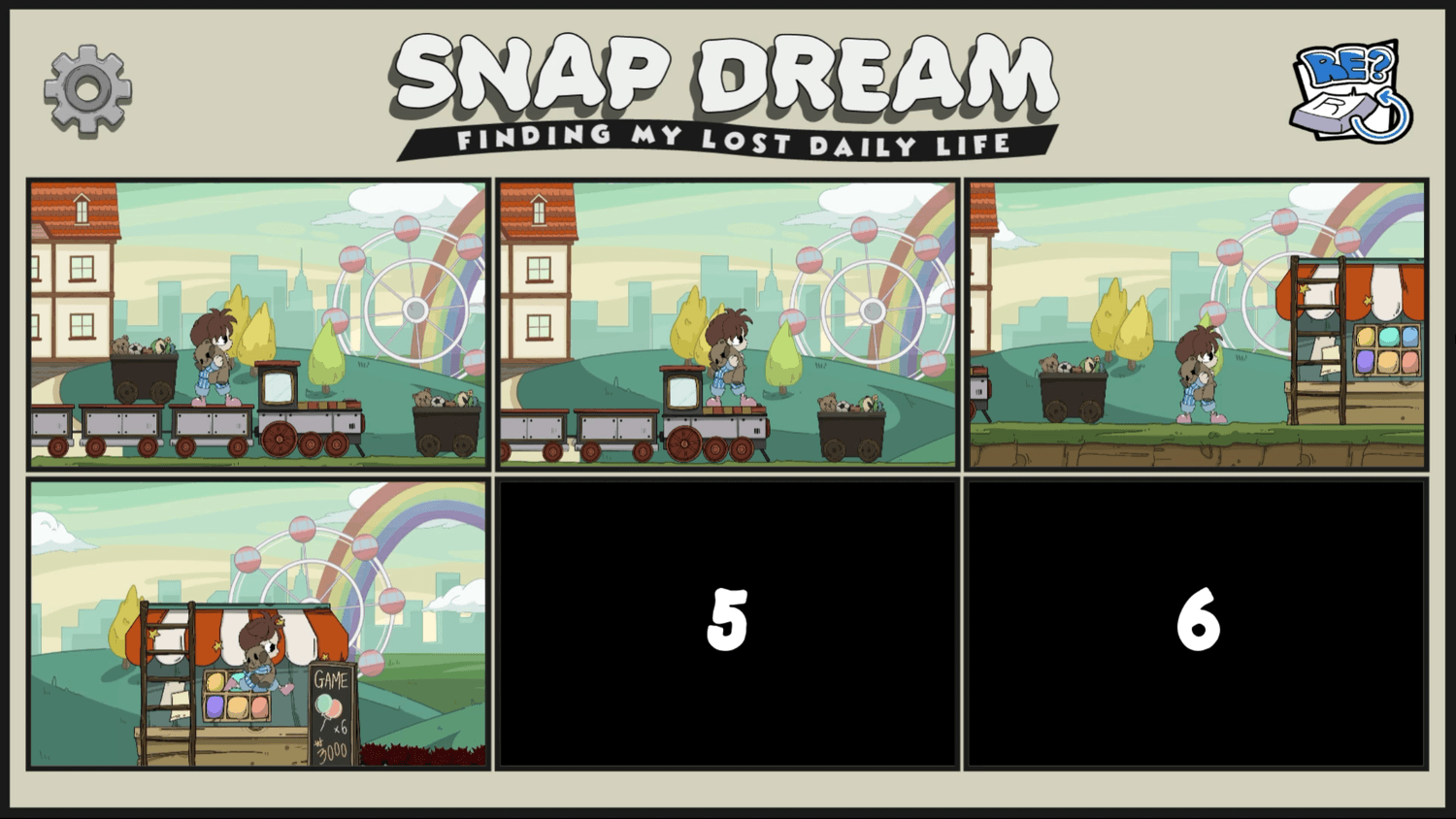
This game is built around a comic-like cut division, where a child's actions in one cut influence others. Through simple interactions like pushing and throwing, players can affect both past and future dream scenes. The design ensures that these mechanics feel intuitive through natural visual storytelling.
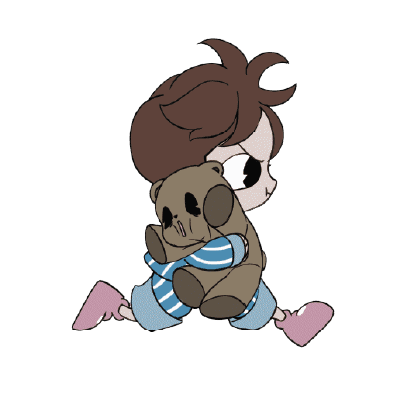
Jump to move to the next cut.
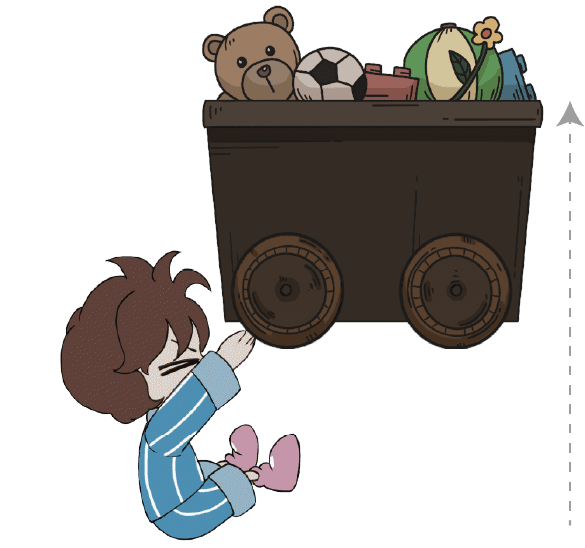
↑ Throw objects up to the cut above.
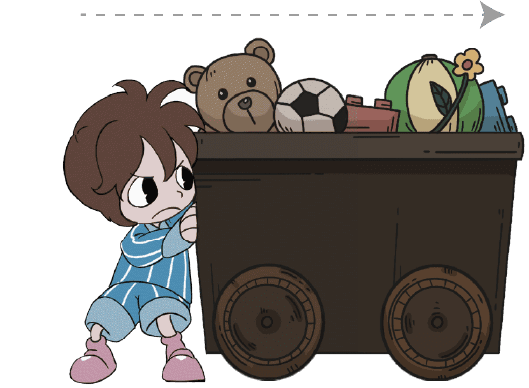
→ Push objects to the cuts on either side.
CHARACTERISTIC
Challenge
The freedom of jumping between cuts made it difficult to restrict solutions to a single intended path. I tested each stage dozens of times on my own, yet when my teammate played, they often found 3-4 unintended solutions.
This made it challenging to establish a smooth difficulty curve that allowed players to enter a natural flow state.
⇣
💡 In the later stages of development, I decided to move away from balancing difficulty through progression and instead focused on creating levels that required specific intended movements to complete. This approach ensured that the core mechanic remained consistent while maintaining a structured challenge.
ART
Graphics
The main characters in the game consist of heroes with different concepts appearing in three chapters, and a blacksmith and a cat merchant who stand by the Demon King's side to assist him. Every hero has animations of 'walk, hurt, die, attack, and attack2.' Bosses in each chapter have about twice as many attack patterns and walking animations.
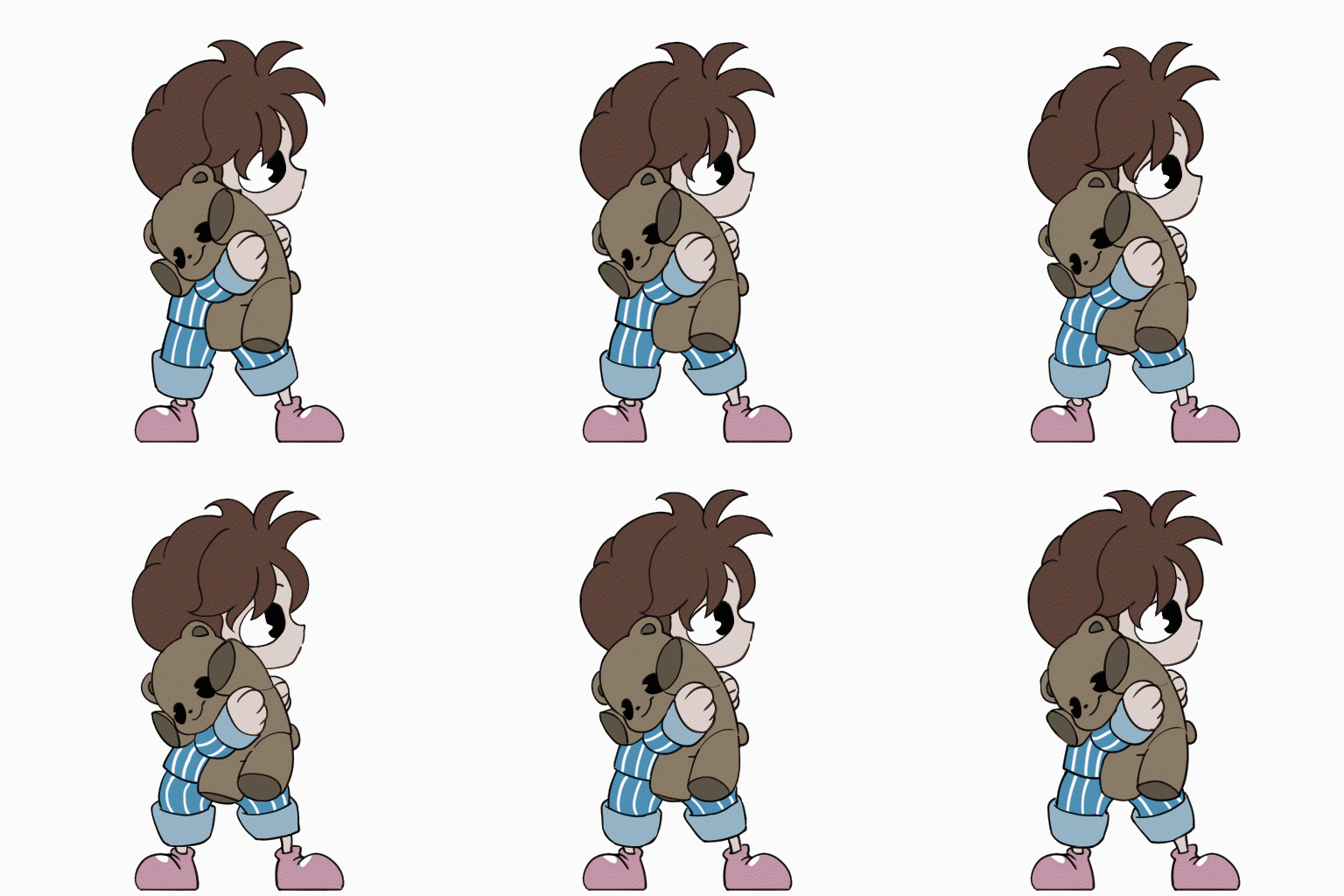
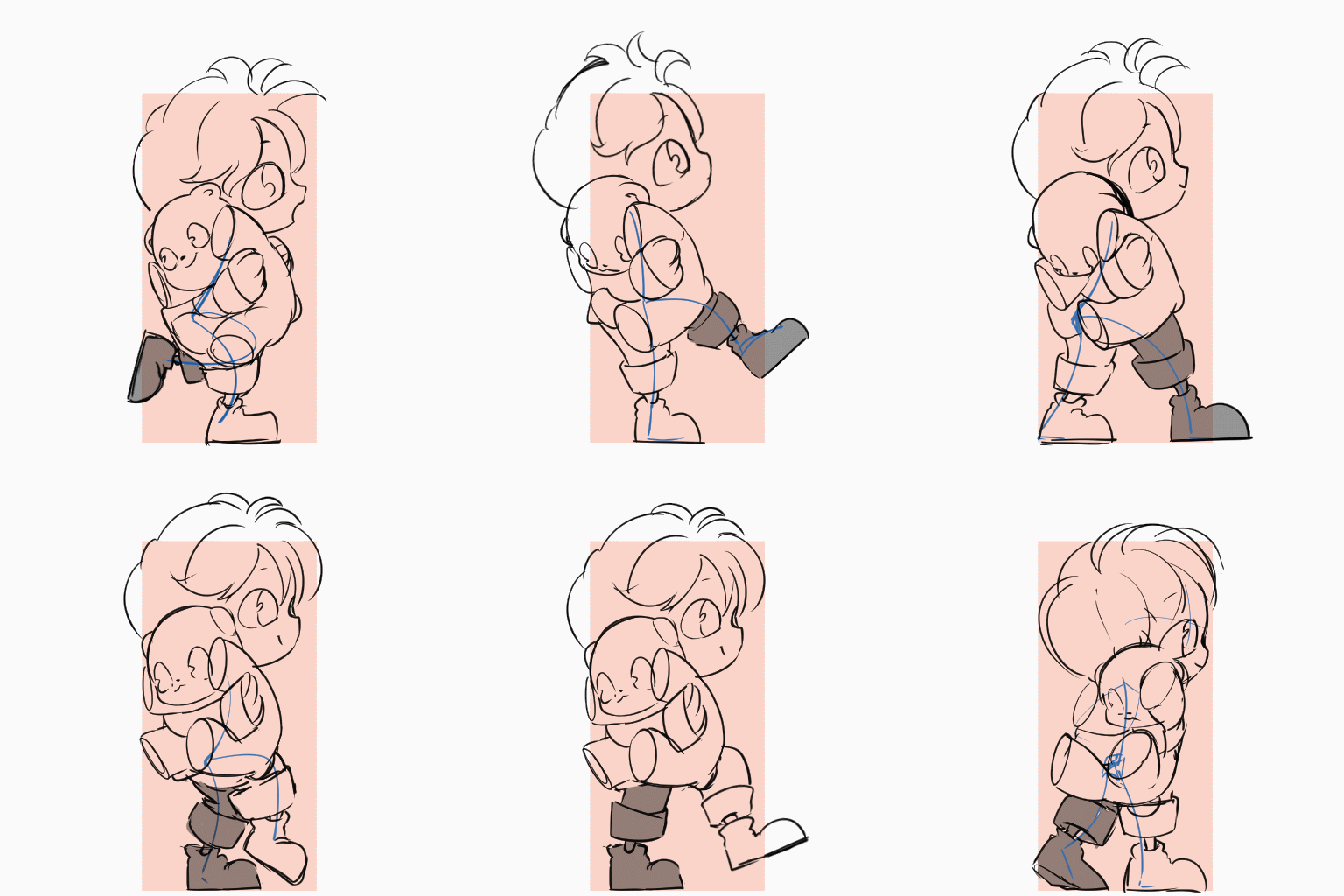
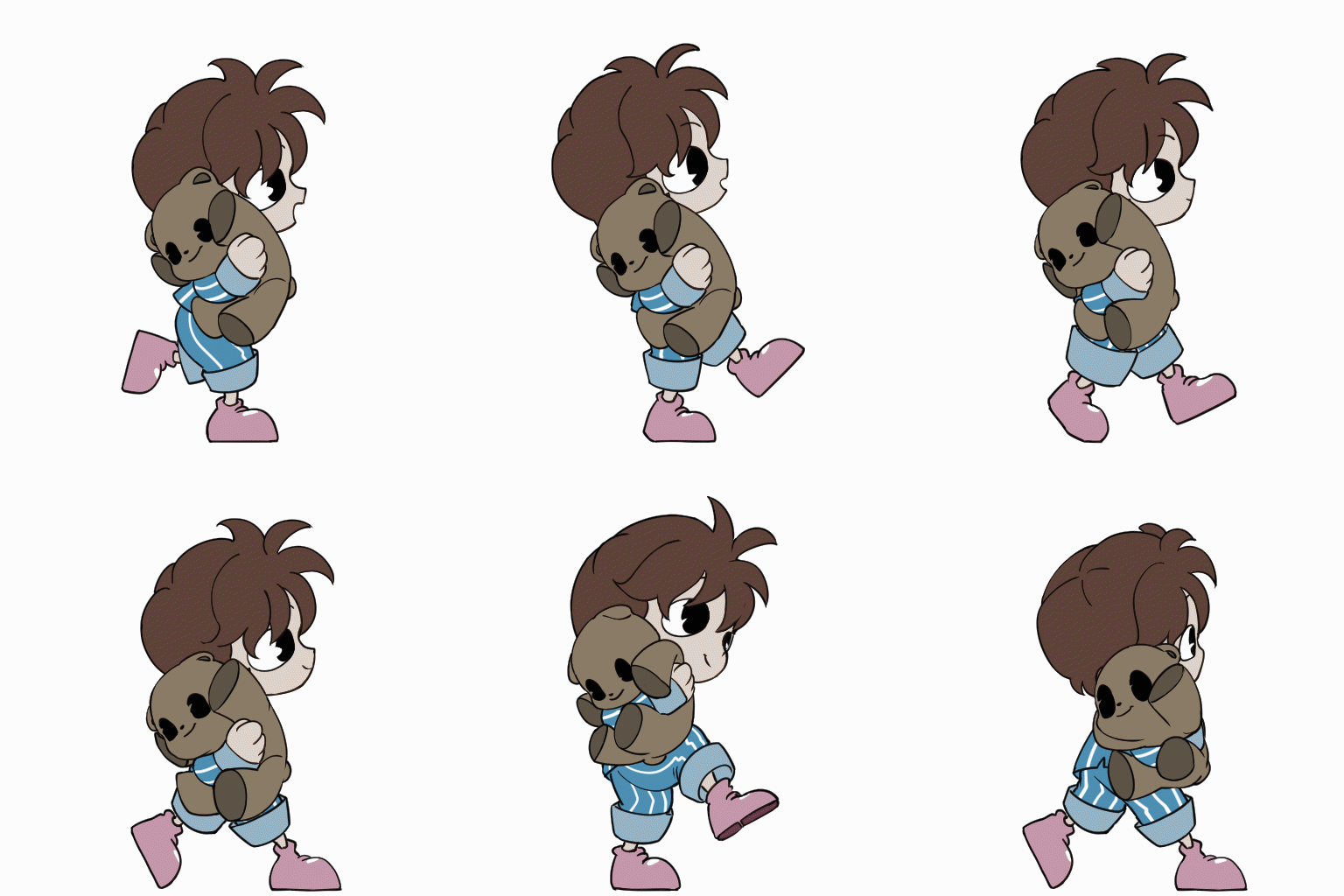
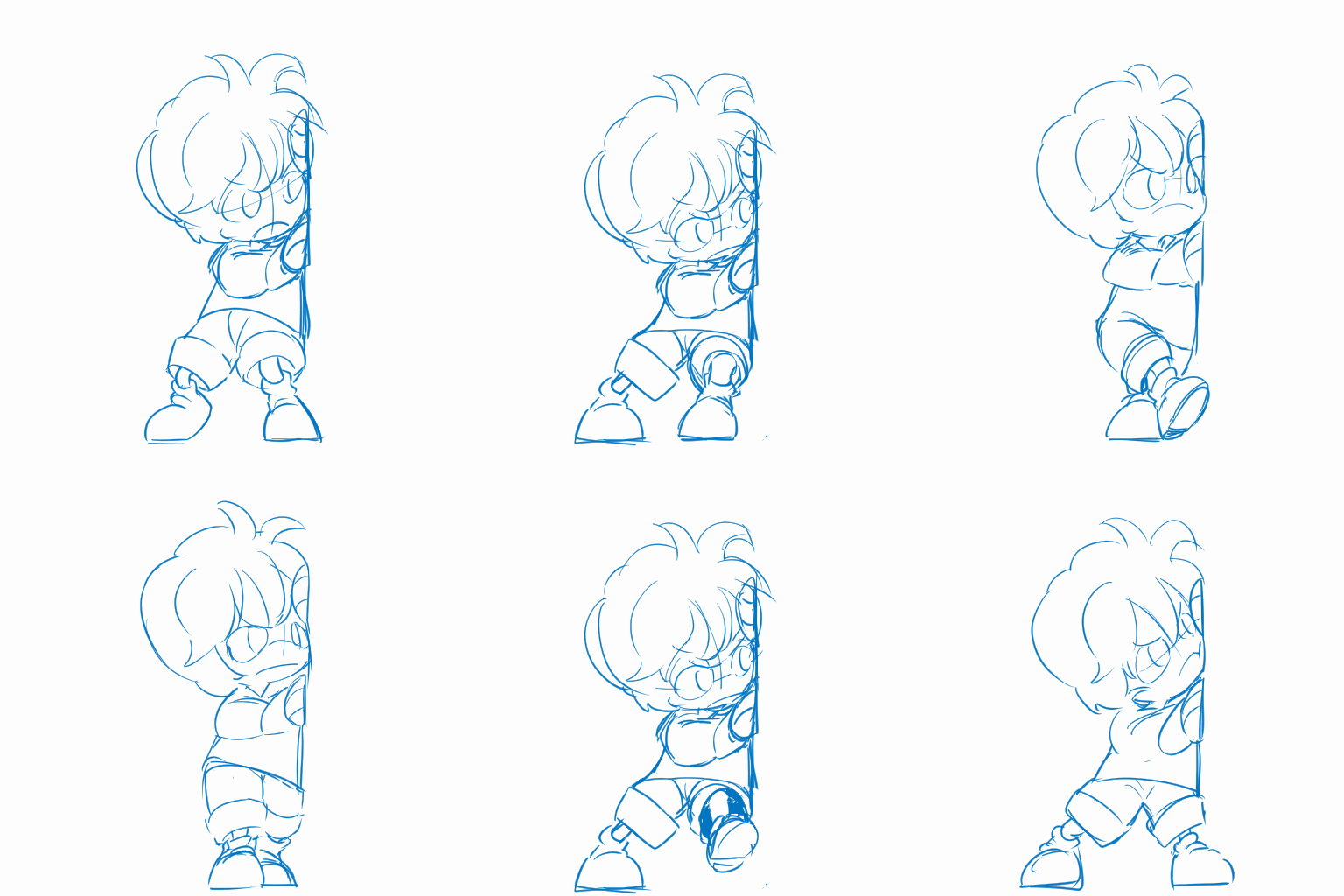
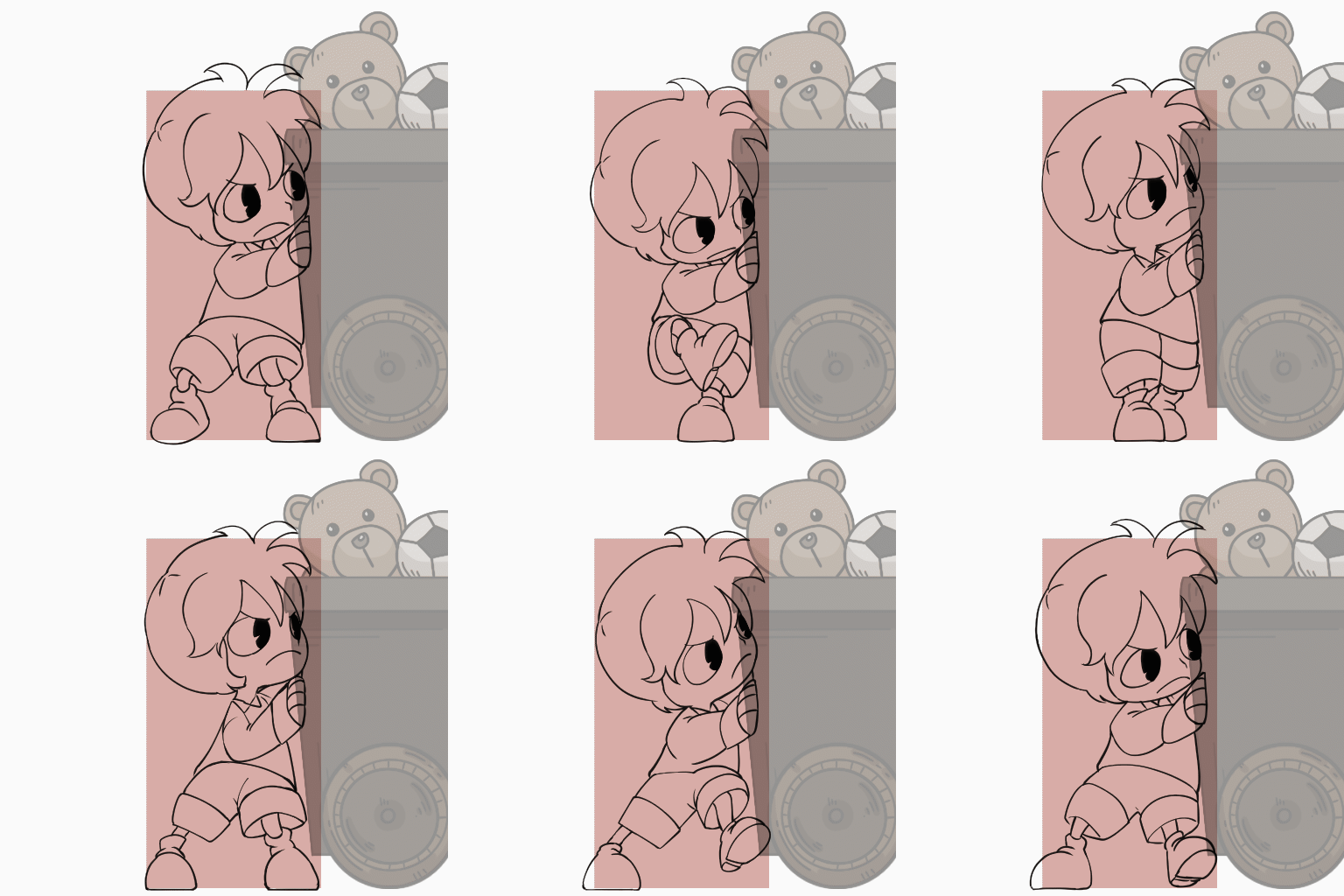
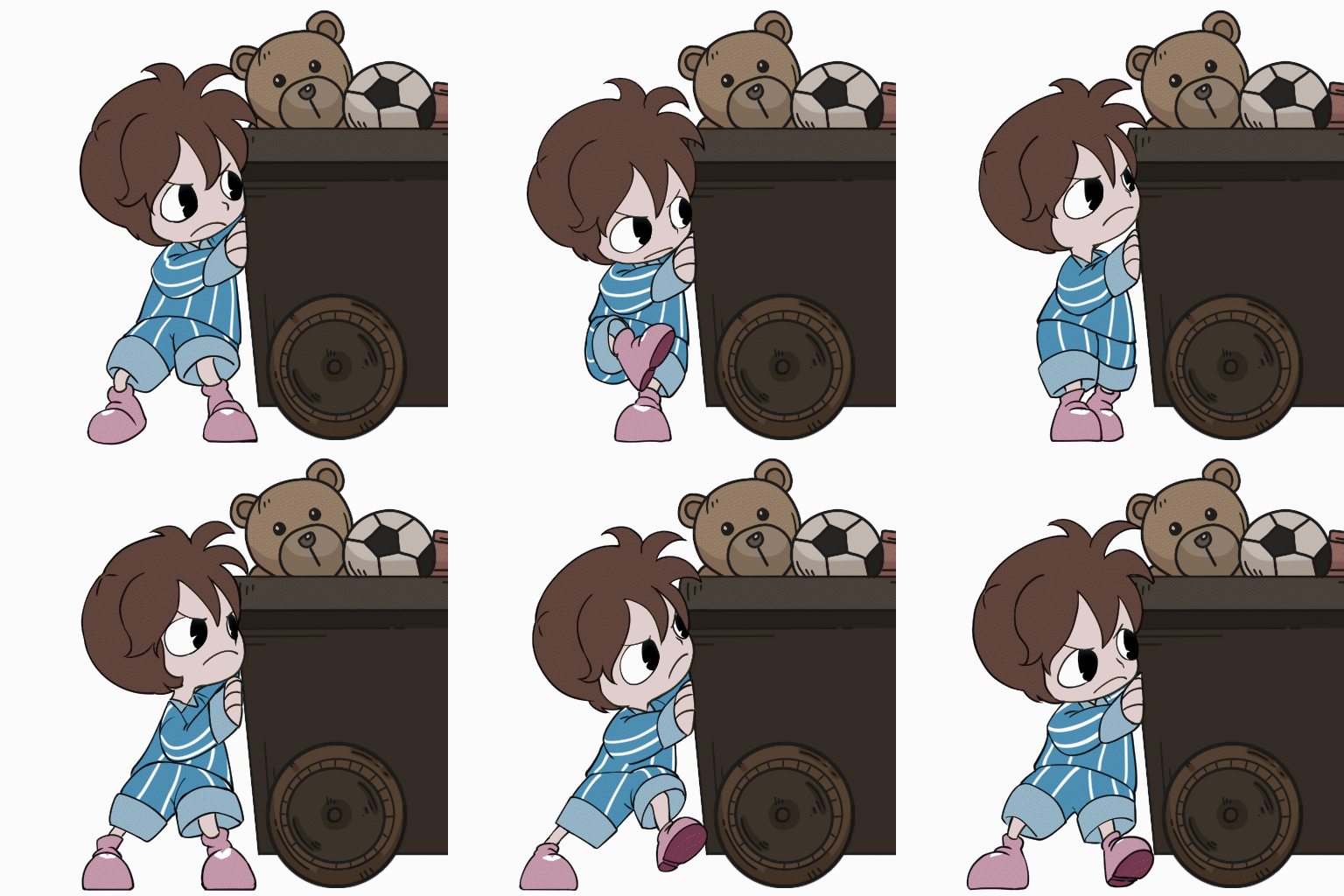
The character animations use cel animation, similar to Cuphead, to enhance the comic-like feel. Since the goal was to evoke a hand-drawn aesthetic, the animation follows the style of 1990s American cartoons, featuring densely packed frames for smooth and slightly slow movements.
To create a sense of tight, expressive motion, the animation follows a fast-slow-fast pacing technique. Specifically, the spacing between frames alternates: wide → narrow → wide, ensuring fluid yet dynamic movement.
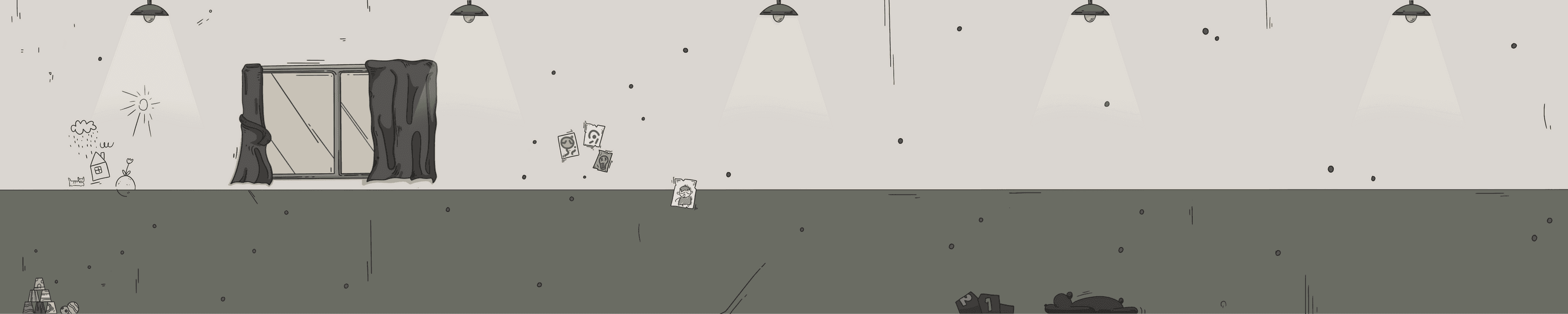
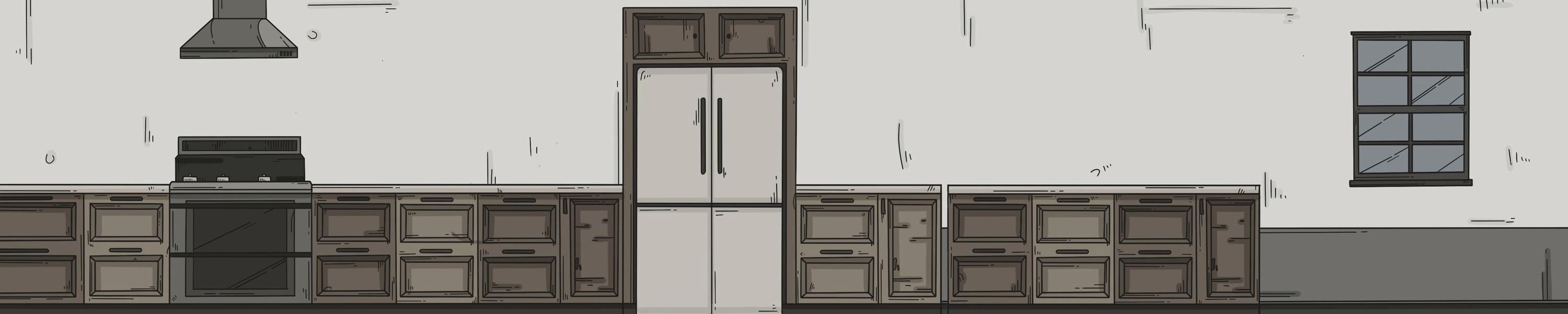
The game world is divided into three main locations: home, amusement parks, and cities. Each environment features thin-lined backgrounds with bright, simple scenery, while interactive objects have thicker outlines and more detailed depictions, making them visually distinct from the background.
IN-GAME
Prologue
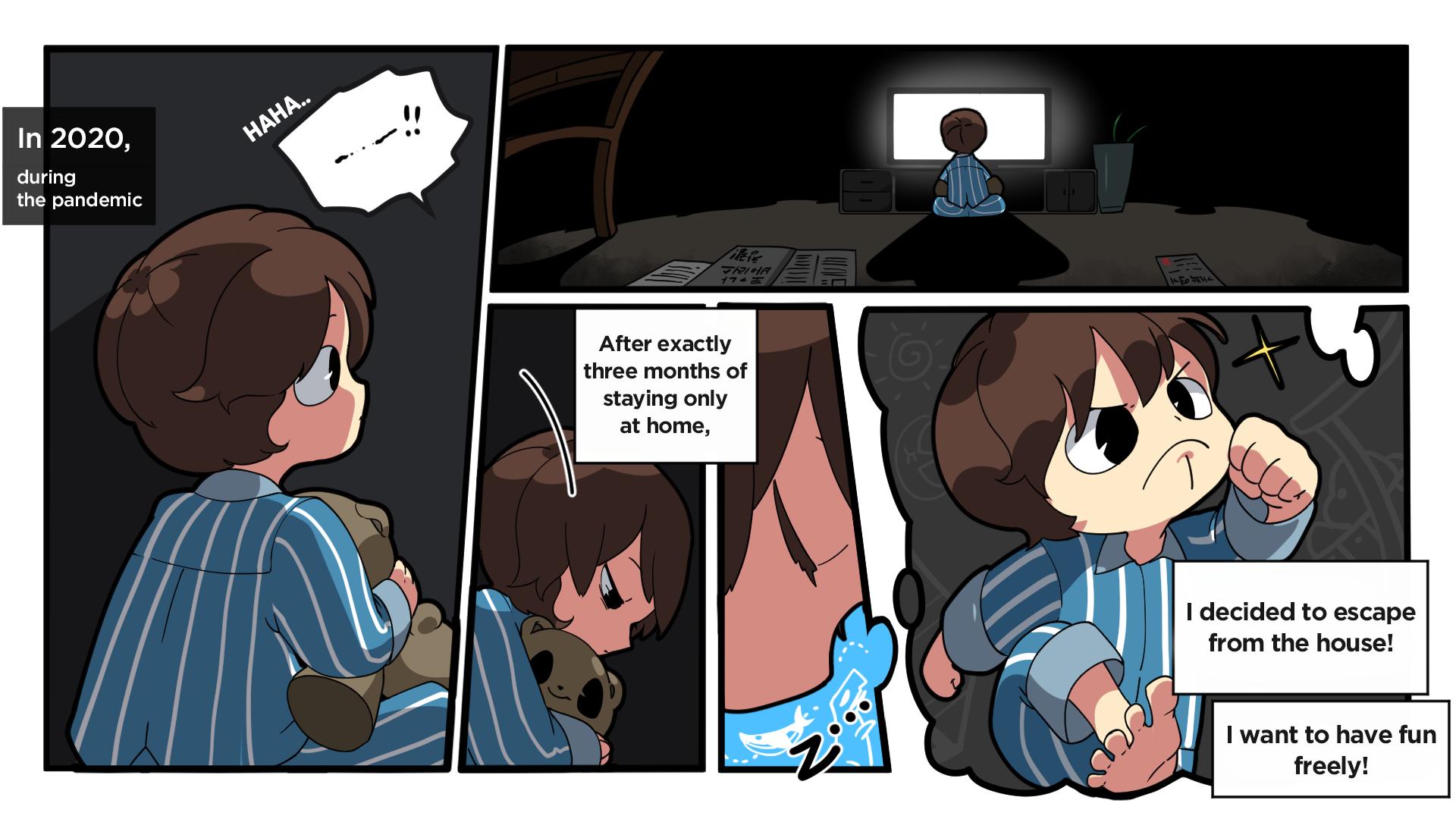
IN-GAME
Game Screen
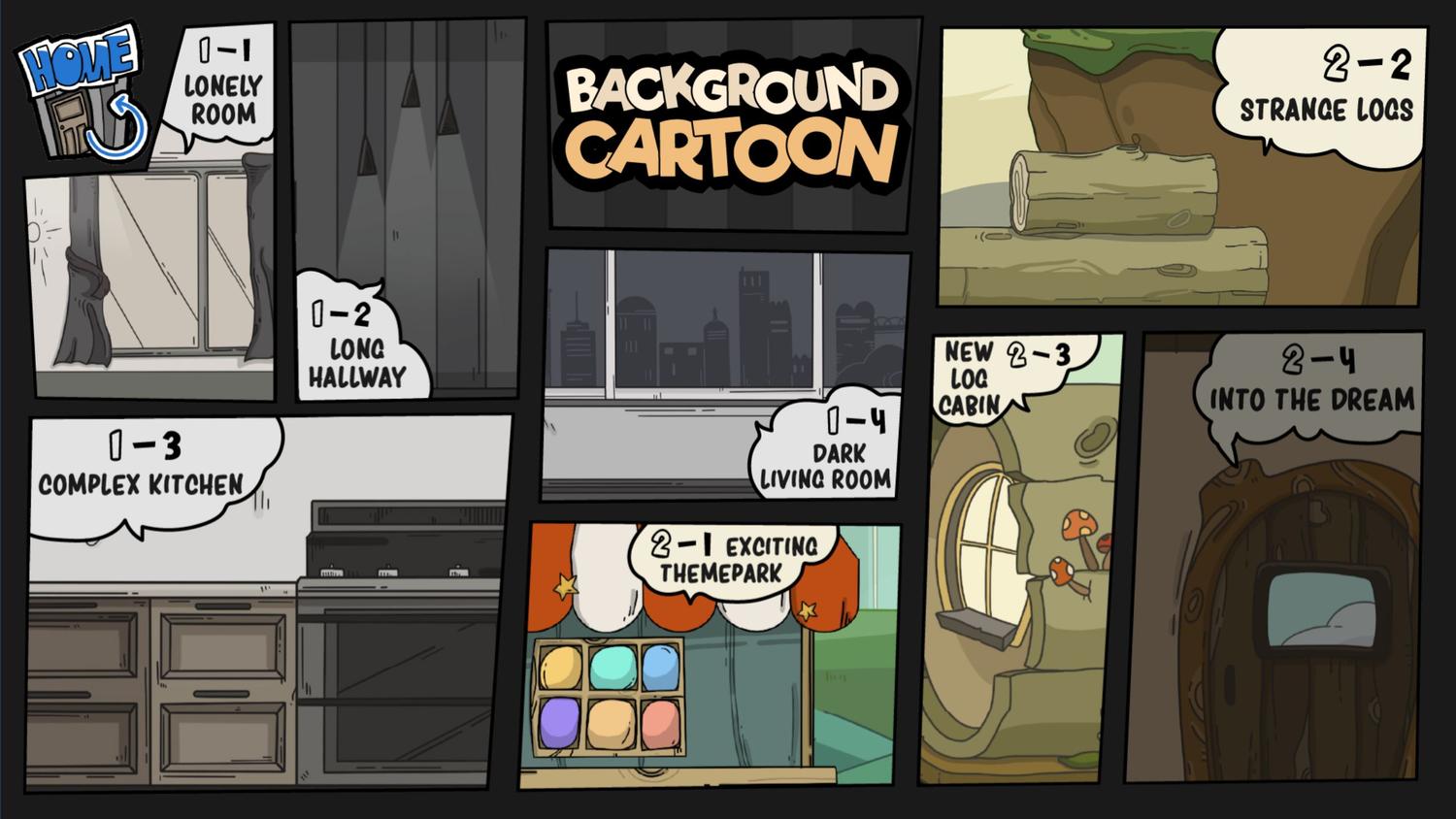
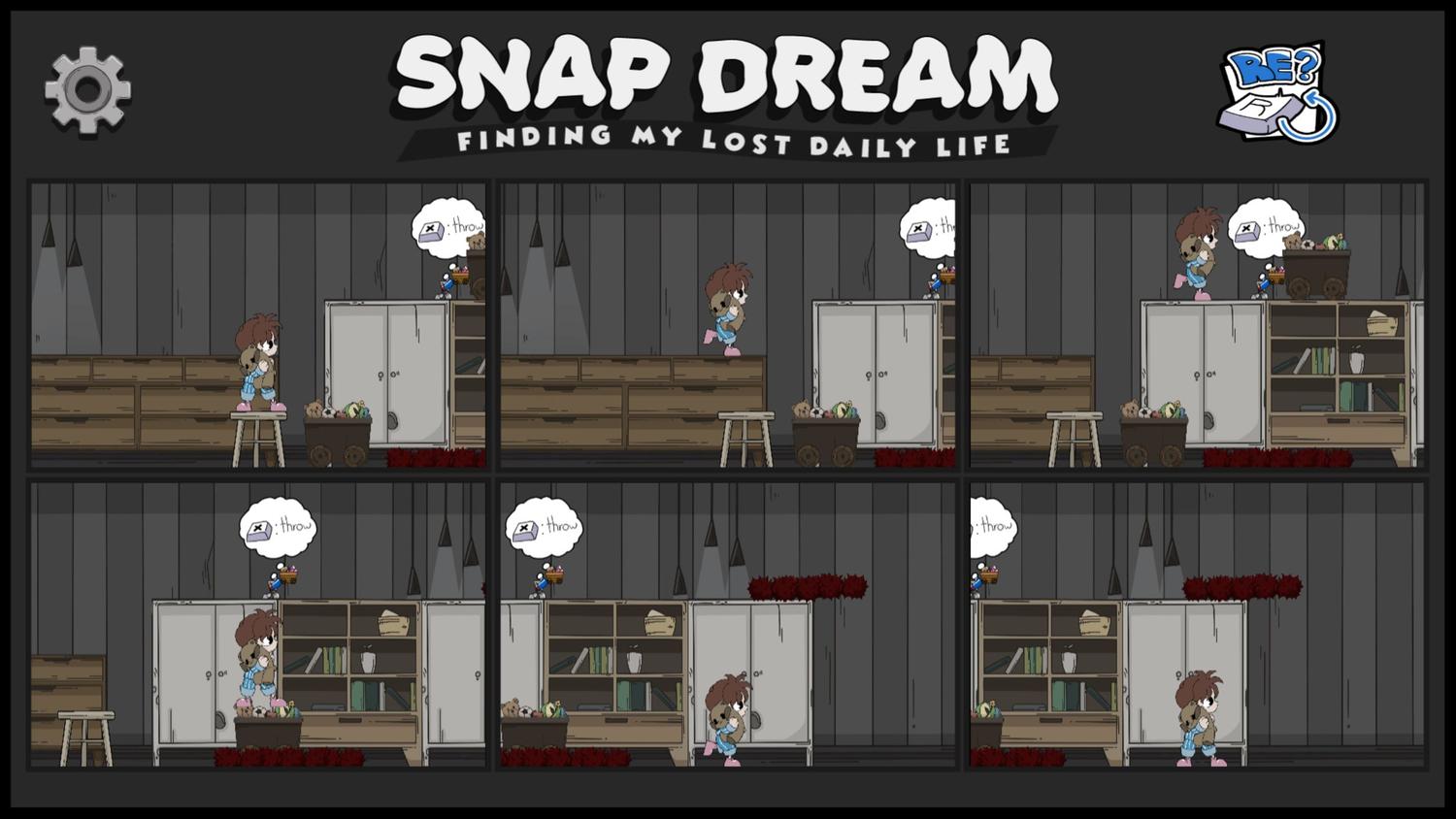
Video
Gameplay Video
REFLECTIONS
Takeaways
This project was an opportunity to experiment with unconventional mechanics and push the boundaries of puzzle design. Working within the constraints of a game jam, I had to rapidly prototype, iterate, and refine ideas while ensuring that the core mechanic remained intuitive and engaging. Collaborating with a programmer and refining levels through constant testing taught me valuable lessons about balancing player freedom and structured gameplay.
What I Learned…
Iterative level design through playtesting:
Despite testing each stage multiple times, players often found unexpected solutions. This highlighted the need for continuous iteration, observing real player behavior and adjusting the design accordingly to ensure a smooth difficulty curve.
Designing intuitive mechanics:
A unique mechanic isn’t enough, it needs to be immediately understandable to players.
I had to refine how it was visually and interactively communicated to ensure players grasped it without excessive explanation.